Popular articles








What is a gambling addiction treatment?
For millions of Americans, a harmless wager can quietly spiral into a compulsion that drains bank accounts, fractures families, and devastates mental health. Compulsive gambling—clinically recognized as gambling disorder—is not a moral failing or a simple lack of willpower. It hijacks the brain’s reward circuitry in the exact same way alcohol or opioids do.
Yet, because the damage is largely invisible until the financial ruin hits, a pervasive question remains for those caught in its grip: What does gambling addiction treatment actually look like?
According to the Mayo Clinic, treating the condition is notoriously difficult, primarily because the highest hurdle is getting the individual to admit there is a problem. When a person finally reaches the point of seeking help, sheer willpower is rarely enough. Genuine recovery requires structured, clinical intervention.
Rewiring the Brain: The Core Therapies
Because gambling disorder is a complex, chronic condition, there is no overnight cure. Treatment plans are highly individualized—often taking place in outpatient, inpatient, or residential settings—and rely heavily on targeted psychotherapy.
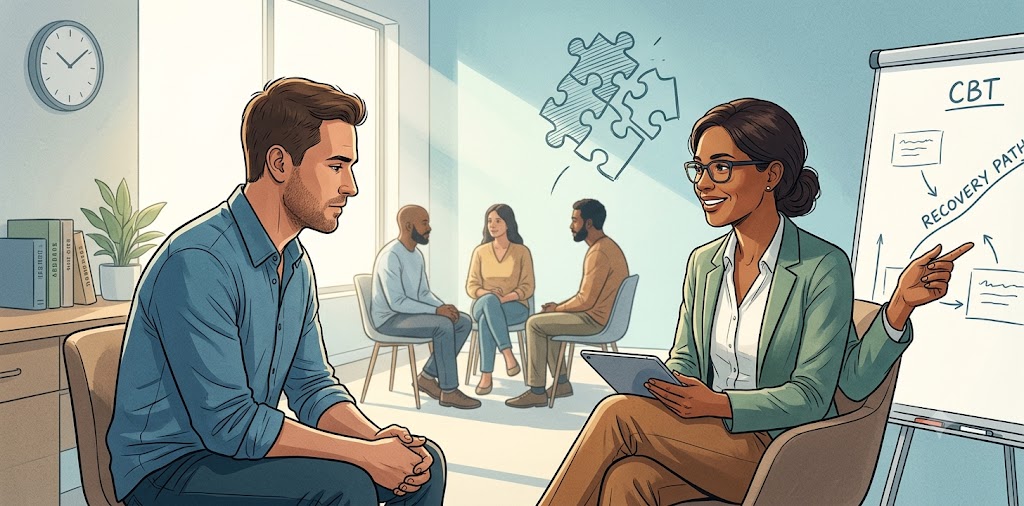
The frontline defense is Cognitive Behavioral Therapy (CBT). Rather than just talking about feelings, a therapist uses CBT to help patients identify and dismantle the irrational beliefs and toxic thought loops that drive them to the casino or the sports betting app. The goal is to deliberately replace those patterns with actionable coping skills. Alongside CBT, behavioral therapy employs controlled exposure, teaching patients how to tolerate and de-escalate their urges in real-time when triggered.
But addiction thrives in isolation. Because of this, modern clinical treatment almost always extends to the family unit. Counseling helps repair broken trust and teaches loved ones to establish vital boundaries, such as putting legal or physical barriers on shared bank accounts. Meanwhile, peer-led networks like Gamblers Anonymous provide the ongoing, real-world accountability that a therapist’s office cannot offer around the clock.
Is There a Pill for Problem Gambling?
A common question among patients and their families is whether medical science has developed a pill to cure the compulsion. The short answer is no. As the Cleveland Clinic emphasizes, the U.S. Food and Drug Administration (FDA) has not approved any medication specifically for gambling disorder.
However, pharmacological support still plays a critical role in recovery. Physicians frequently prescribe medications to manage the collateral neurological damage. Mayo Clinic data indicates that antidepressants and mood stabilizers are highly effective in treating the severe depression, anxiety, and bipolar disorder that frequently co-occur alongside compulsive betting. Interestingly, narcotic antagonists—drugs traditionally used to combat substance misuse—have also shown promise in dulling the euphoric rush of gambling, thereby reducing the urge to place a bet.
Also read: What Does the Bible Actually Say About Gambling?
A Life-or-Death Behavioral Condition
Gambling disorder is rarely just a financial crisis; it is a life-threatening behavioral condition.
When individuals continuously chase bets to recoup profound losses, the psychological toll deepens. Attempts to quit cold turkey often trigger intense withdrawal symptoms, manifesting as severe restlessness and irritability. More alarmingly, the Cleveland Clinic warns that individuals with a gambling disorder face a significantly elevated risk of suicide.
Without professional intervention, periods of remission are rarely permanent. It is a lifelong condition—but with the right clinical tools, it is a manageable one.
The Rundown: Gambling Treatment Facts
- The Clinical Approach: Treatment is a combination of psychotherapy, behavioral retraining, and medication management aimed at rewiring the brain's reward system.
- Frontline Therapy: Cognitive Behavioral Therapy (CBT) is the most common and effective therapeutic approach used to correct irrational thoughts regarding financial risk.
- Medication Options: While there is no FDA-approved pill for the disorder itself, antidepressants, mood stabilizers, and narcotic antagonists are frequently utilized off-label to suppress urges and treat underlying mental health issues.
- Where to Get Help: Immediate, confidential support is available in the U.S. via the National Problem Gambling Helpline (1-800-GAMBLER) or the Suicide and Crisis Lifeline (988).
Subscribe to unlock premium content
Sed at tellus, pharetra lacus, aenean risus non nisl ultricies commodo diam aliquet arcu enim eu leo porttitor habitasse adipiscing porttitor varius ultricies facilisis viverra lacus neque.